All I Need is Jesus Radiation Therapy: A Faith-Based Design Guide
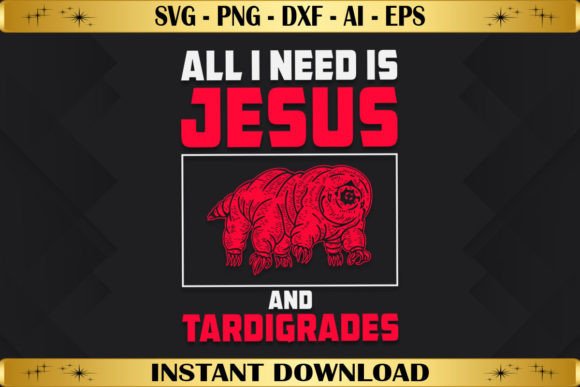
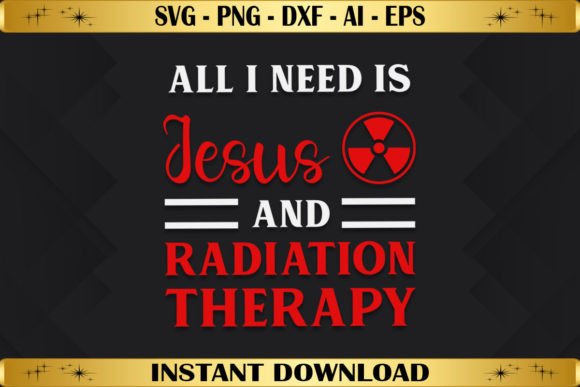
In the intersection of faith, healing, and creative expression, the phrase All I Need is Jesus Radiation Therapy has emerged as a powerful statement for many navigating cancer treatment. This design is not merely a graphic; it is a declaration of hope, resilience, and spiritual reliance during one of life's most challenging periods. For creators, small business owners, and individuals looking to support loved ones, this concept offers a unique opportunity to craft meaningful products. However, transforming this sentiment into a high-quality digital asset or physical product requires more than just downloading a file. It demands an understanding of file formats, print readiness, and the emotional weight behind the message.
Understanding the Value of the Design
The appeal of All I Need is Jesus Radiation Therapy lies in its ability to communicate strength without words. Whether printed on a t-shirt, etched onto a mug, or displayed as wall art, the design serves as a beacon for patients and their families. It acknowledges the harsh reality of radiation therapy while anchoring the experience in spiritual comfort. For entrepreneurs and hobbyists, this niche represents a market that values authenticity and empathy over generic aesthetics. When executed correctly, these designs can provide genuine solace and foster a sense of community among those facing similar battles.
However, the effectiveness of the message often hinges entirely on the quality of the execution. A blurry image or a font that breaks when scaled can undermine the dignity of the sentiment. This is where the technical specifications of your digital files become critical. Many beginners overlook the importance of vector graphics versus raster images, leading to frustrating results when they attempt to produce merchandise or large-format prints.
Common Pitfalls in Choosing Digital Assets
One of the most frequent mistakes creators make is purchasing or downloading low-resolution files without verifying their versatility. You might find a design that looks perfect on a small screen but falls apart when sent to a cutting machine or a professional printer. This happens when users rely solely on JPEGs or low-dpi PNGs. If you are planning to use All I Need is Jesus Radiation Therapy for commercial projects, such as creating shirts for a fundraiser or selling custom decals, a single format simply will not suffice.
Another common oversight is ignoring the specific requirements of the production method. For instance, using a raster image for a vinyl cutter will result in jagged edges and wasted material. Conversely, trying to use a complex vector file in a software program that only accepts bitmap images can lead to compatibility errors. These technical mismatches not only waste time but also increase costs due to reprints and discarded materials. The goal is to ensure that the final product reflects the same level of care and intention as the message itself.
The Importance of File Formats
To avoid these issues, it is essential to understand the role of different file types within a comprehensive design package. A professional resource for All I Need is Jesus Radiation Therapy should include a variety of formats to cover all potential applications. Let's break down why each file type matters:
- SVG (Scalable Vector Graphics): This is the gold standard for cutting machines like Cricut and Silhouette. SVG files maintain crisp lines at any size, making them ideal for vinyl decals, iron-on transfers, and laser engraving. Without an SVG, your project may lack the precision needed for clean cuts.
- PNG (Portable Network Graphics): While not scalable, a high-resolution PNG with a transparent background is crucial for sublimation printing or digital mockups. It allows for easy placement on photos or social media posts without awkward white boxes around the text.
- DXF (Drawing Exchange Format): Often required by older cutting software or specific industrial machines, the DXF file ensures compatibility across a wider range of hardware. Ignoring this format can limit your ability to use certain tools.
- AI (Adobe Illustrator) and EPS (Encapsulated PostScript): These are industry-standard vector formats for professional graphic designers. They allow for full editing of fonts, colors, and shapes. If you plan to customize the design—perhaps adding a name or changing the color scheme to match a hospital's branding—these editable files are indispensable.
Verifying Print Readiness Before Purchase
Before committing to a download, take a moment to evaluate what is included in the package. A legitimate "print-ready" bundle for All I Need is Jesus Radiation Therapy should arrive in a compressed zip folder containing all the necessary formats mentioned above. Specifically, look for a listing that guarantees 1x SVG, 1x PNG, 1x DXF, 1x AI, and 1x EPS file. This comprehensive approach eliminates the need to convert files later, a process that can introduce errors or degrade quality.
Many consumers fall into the trap of assuming that "digital download" implies universal compatibility. In reality, file conversion is rarely seamless. Converting a PNG to a vector, for example, often results in messy paths that require hours of manual cleanup. By choosing a provider that offers native vector files from the start, you save significant effort and ensure professional results. Always check the product description to confirm that the files are truly ready for immediate use with your specific equipment.
Practical Steps for Success
Once you have secured the correct files, the next step is proper application. Start by unzipping the folder and organizing the files according to your workflow. If you are using a cutting machine, open the SVG in your design software first to check the node count and layer structure. Ensure that the text is legible and that there are no stray points that could cause the blade to cut incorrectly.
For those printing on fabric, test the PNG on a scrap piece of material before committing to the final garment. Check the contrast between the design and the shirt color. Since the message is deeply personal, the visual clarity must be impeccable. If you are a business owner, consider how the design scales across different product sizes. A design that works well on a tote bag might need slight adjustments for a coffee mug. The flexibility provided by AI and EPS files allows you to make these tweaks without starting from scratch.
Making the Right Choice for Your Project
Ultimately, the decision to use All I Need is Jesus Radiation Therapy designs should be driven by both technical capability and emotional intent. Whether you are a beginner crafting gifts for a friend or a professional launching a supportive merchandise line, the quality of your output matters. Avoid the frustration of poor resolution and limited editing options by investing in a complete, multi-format file set.
By prioritizing print-ready files that include SVG, PNG, DXF, AI, and EPS formats, you ensure that your creative vision is realized exactly as intended. This attention to detail honors the gravity of the message and provides the highest level of satisfaction for everyone involved. Remember, the best way to share hope is through a product that is as durable and clear as the faith it represents. Download, organize, and create with confidence, knowing you have the right tools to bring this meaningful design to life.