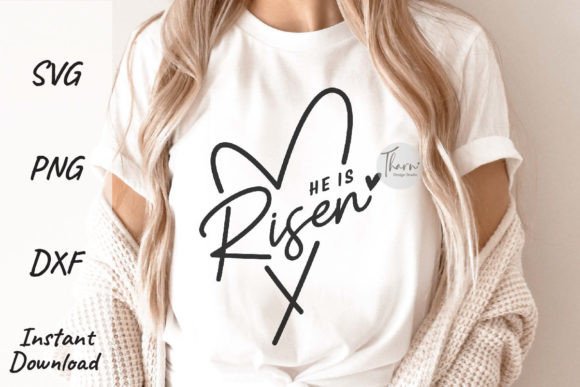
He is Risen Svg Christian Sublimation: A Practical Guide for Creators
For crafters, small business owners, and DIY enthusiasts, the arrival of Easter brings a unique set of design challenges. The need to produce high-quality, meaningful merchandise often hinges on selecting the right digital assets. Among the most popular choices is the He is Risen Svg Christian Sublimation file. This specific category of digital art has become a cornerstone for those looking to create personalized apparel, home decor, and greeting cards. However, with the sheer volume of clip art available online, understanding what distinguishes a sublimation-ready SVG from other formats is essential for achieving professional results.
This guide explores the technical and practical aspects of using these files, comparing them against alternatives, and helping you determine if they are the right tool for your specific project needs.
Understanding the Format and Its Distinctive Features
At its core, an SVG (Scalable Vector Graphics) file is defined by mathematical paths rather than pixels. When a creator searches for a He is Risen Svg Christian Sublimation design, they are typically looking for a vector file that can be resized infinitely without losing clarity. This scalability is the primary distinction between SVGs and raster-based images like standard JPEGs or low-resolution PNGs.
The term "sublimation" in this context refers to the intended printing method. Sublimation printing requires heat to transfer dye onto substrates like polyester fabrics, mugs, or coated metals. For this process to work effectively, the image must be crisp at the exact size it will be printed. If a raster image is enlarged beyond its native resolution, it becomes pixelated, resulting in a blurry final product. An He is Risen Svg Christian Sublimation file avoids this issue entirely because the software interprets the mathematical data to redraw the image at any dimension, ensuring sharp edges and clean lines regardless of scale.
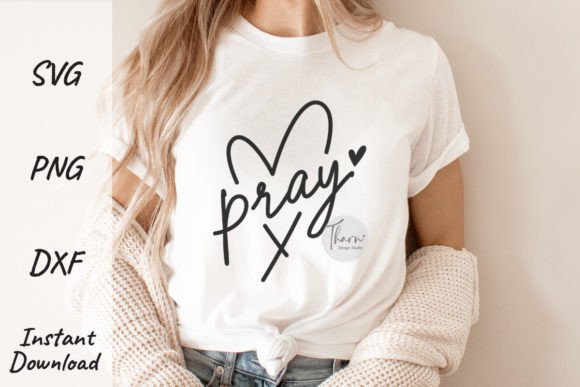
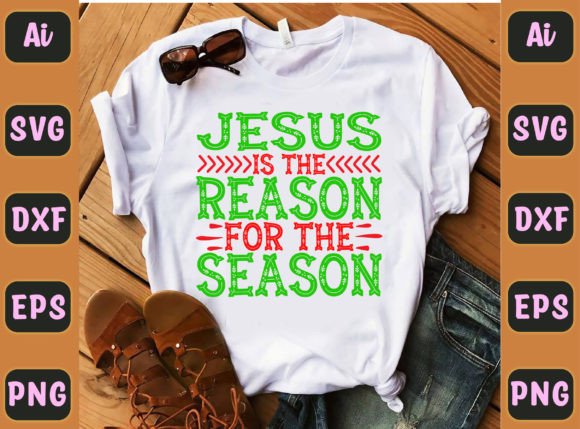
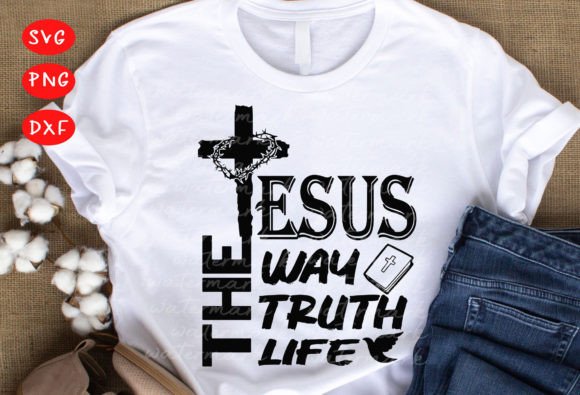
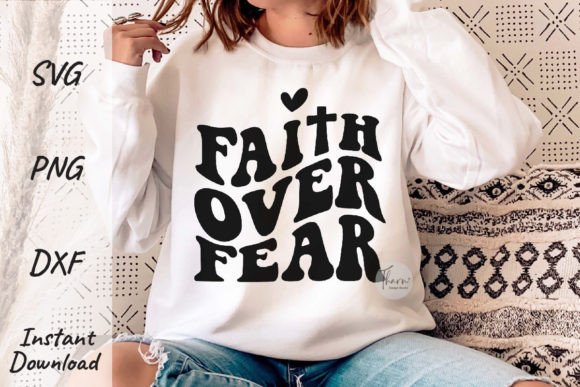
Furthermore, many modern bundles include multiple formats within a single download. A typical package might offer the SVG for cutting machines, a high-resolution PNG with a transparent background for digital mockups or screen printing, a DXF file for compatibility with older cutting software, and a JPG for general viewing. This multi-format approach provides flexibility, allowing the user to adapt the same design concept across different mediums without needing to recreate the artwork from scratch.
Comparing SVGs with Alternative Digital Formats
When evaluating resources for Easter projects, it is helpful to compare the He is Risen Svg Christian Sublimation format against other common options like EPS, PDF, or standalone PNG files. Each format serves a specific purpose, and the "best" choice depends heavily on the tools you own and the output you require.
- SVG vs. PNG: While a 300 dpi PNG with a transparent background is excellent for digital use or direct-to-garment (DTG) printing where color gradients are needed, it lacks the editability of an SVG. You cannot easily change the text font or separate layers in a PNG. Conversely, an SVG allows for layer manipulation, making it ideal for customizing the phrase "He is Risen" or adjusting the surrounding decorative elements before cutting.
- SVG vs. DXF: DXF files are widely used in CAD software and some older versions of cutting machine programs. They are compatible but often less efficient than SVGs when dealing with complex curves or nested designs. If your workflow relies on modern software like Cricut Design Space or Silhouette Studio, the SVG format generally offers superior compatibility and smoother rendering.
- SVG vs. Clip Art Bundles: Generic clip art collections often mix raster and vector files. Dedicated He is Risen svg for shirt designs usually come pre-optimized for cutting, meaning the nodes are simplified to prevent errors during the weeding process. This optimization saves time and reduces material waste compared to converting a generic illustration into a cuttable path.
Ultimately, the decision often comes down to the end goal. If the project involves simple vinyl application or sublimation on a tumbler, the vector precision of the SVG is unmatched. If the goal is purely digital display or a one-off print where resizing isn't necessary, a high-quality PNG may suffice.
Evaluating Use Cases: When to Choose Sublimation Files
The versatility of a He is Risen Svg Christian Sublimation file makes it suitable for a wide array of applications, but there are scenarios where it is the definitive choice over other methods.
Apparel and Textiles: For creating shirts, tote bags, or headbands, sublimation is a popular technique because the ink bonds with the fabric fibers, resulting in a soft hand feel that doesn't crack or peel. Using a vector file ensures that the text remains legible even on large chest prints or full-back designs. If you are producing a batch of shirts for a church event or a family gathering, the consistency provided by a scalable vector file is crucial.
Home Decor and Gifts: Sublimation extends beyond clothing to hard goods like ceramic mugs, coasters, and phone cases. These items often have curved surfaces or limited printable areas. The ability to resize the design instantly without quality loss allows creators to fit intricate "He is Risen" typography perfectly onto a mug handle or a coaster edge. In contrast, stretching a raster image to fit these dimensions would likely distort the message.
Greeting Cards and Paper Crafts: While sublimation is less common for paper, the SVG format is equally valuable here for die-cutting machines. Creators can use the same file to cut cardstock, vellum, or chipboard, creating layered, dimensional greeting cards. The precision of the cut lines ensures that delicate details, such as cross silhouettes or floral accents, are cleanly separated from the background.
Tradeoffs and Limitations to Consider
Despite their advantages, relying solely on He is Risen Svg Christian Sublimation files does have limitations that users should weigh before purchasing or downloading.
Software Requirements: To fully utilize an SVG, you need compatible software. Free versions of cutting machine software sometimes restrict the number of layers or specific features available for editing SVGs. Users may find themselves needing to upgrade to a paid subscription to unlock the full potential of the file, such as changing fonts or colors individually. If a user only intends to print a simple black-and-white decal, the advanced capabilities of the SVG might be unnecessary overhead.
Color Complexity: Sublimation works best with vibrant, solid colors or smooth gradients. However, if a design includes intricate halftones or very fine textures, the transfer process might not capture every detail, especially on darker substrates which require white underbases. While the SVG file itself contains all the data, the physical limitations of the sublimation printer and the substrate can affect the final outcome. In these cases, a specialized DTG (Direct-to-Garment) setup might yield better results for complex color blends.
Licensing Restrictions: It is vital to review the license terms associated with instant downloads. Many He is Risen svg for shirt files are sold for personal use or limited commercial quantities. Some licenses prohibit selling the raw digital file or using the design on mass-produced items without explicit permission. Creators must ensure their intended use aligns with the license to avoid legal complications.
Making the Right Decision for Your Project
Determining whether a He is Risen Svg Christian Sublimation file is the right resource depends on balancing your technical skills, equipment, and project scope. If you own a cutting machine like a Cricut or Silhouette and plan to produce durable, scalable products, the SVG format is almost certainly the best investment. It offers the flexibility to experiment with sizes, materials, and layouts while maintaining professional quality.
However, if you are a beginner with limited access to cutting software, or if your project is a one-time digital graphic for social media, a high-resolution PNG might be more practical. It requires no special software to view or print and eliminates the learning curve associated with vector editing.
For those committed to creating a cohesive collection of Easter items—ranging from shirts to mugs and greeting cards—the comprehensive nature of a bundle containing SVG, PNG, DXF, and JPG files offers the most value. This approach allows you to start with a vector base for cutting and sublimation while having raster backups for quick previews or alternative printing methods. By understanding the strengths and tradeoffs of each format, you can select the resources that best support your creative vision and technical capabilities.